Origins of Sea Shanties
Sea shanties grew up around the working lives of sailors, not on stages or in concert halls. When men were at sea for long weeks and months, the rhythm of their work — hauling, heaving, winding — became paired with song.
The words and tunes helped keep everyone in time, and the music gave a sense of shared purpose during some very tough jobs.
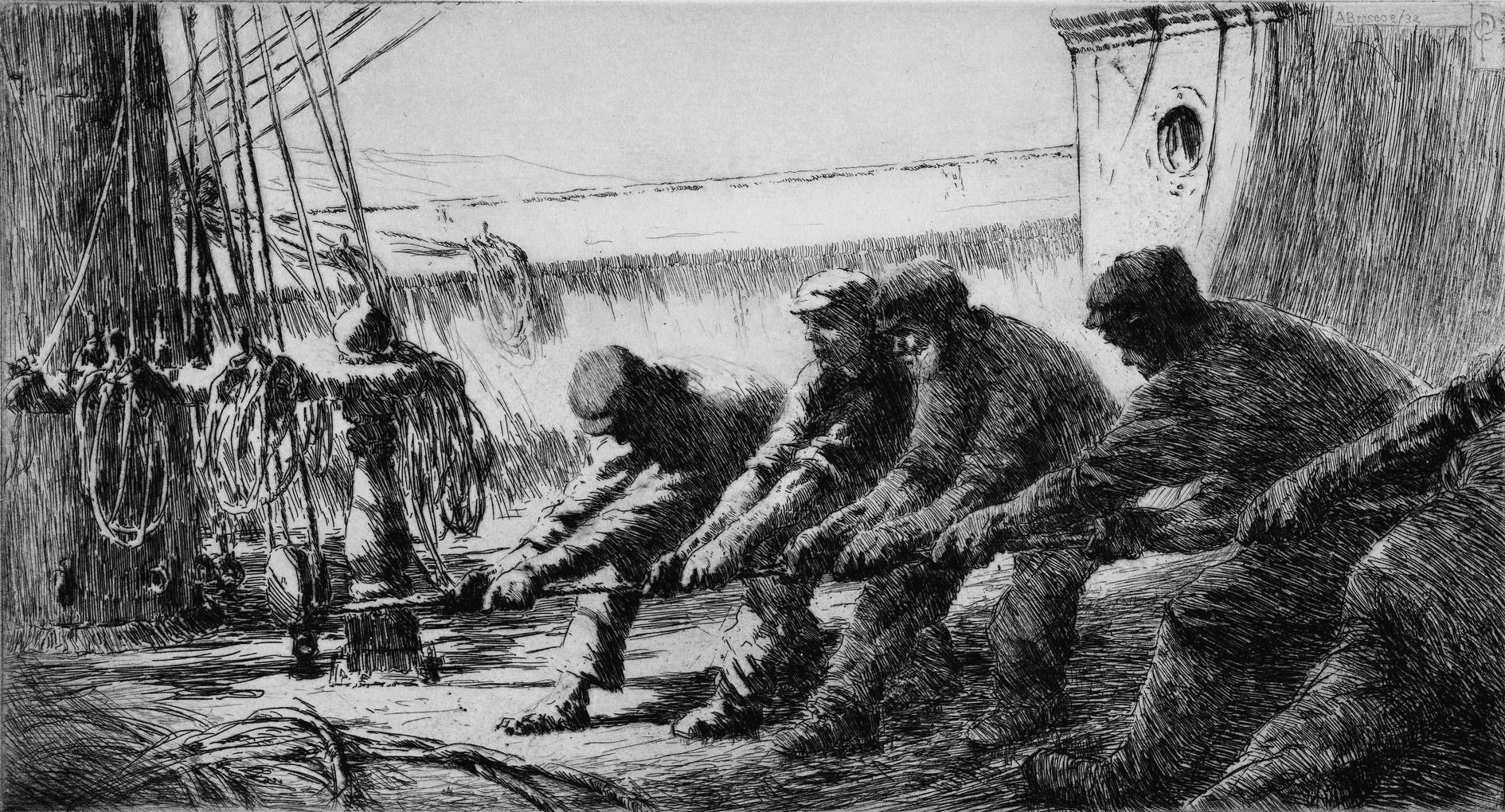
A shanty wasn’t a performance; it was part of the job. The sailor leading the song — the shantyman — set the pace and the words, and the rest of the crew answered back. The beat helped everyone pull together, literally and metaphorically.
These songs drew from wherever sailors had been: ports, taverns, coastal paths, and distant lands. Some carried humour, some told of heartbreak and loss, and some just kept spirits up when the sea felt endless.
The meaning of a shanty could change from ship to ship and crew to crew, because it was always shaped by the people singing it.
Over time, as sail gave way to steam and work rhythms changed, sea shanties fell out of their original context. But the songs didn’t disappear. They were carried home by sailors and shared on dry land, becoming part of folk traditions and, more recently, finding a fresh life among people who love the stories, harmonies and sheer communal spirit they contain.
Today, when Mariners Away sings these songs, we’re not trying to replicate life on a working ship. We’re honouring the feel of shared rhythm, shared voice and shared experience — keeping alive music that grew naturally from real lives at sea.